Skip to content
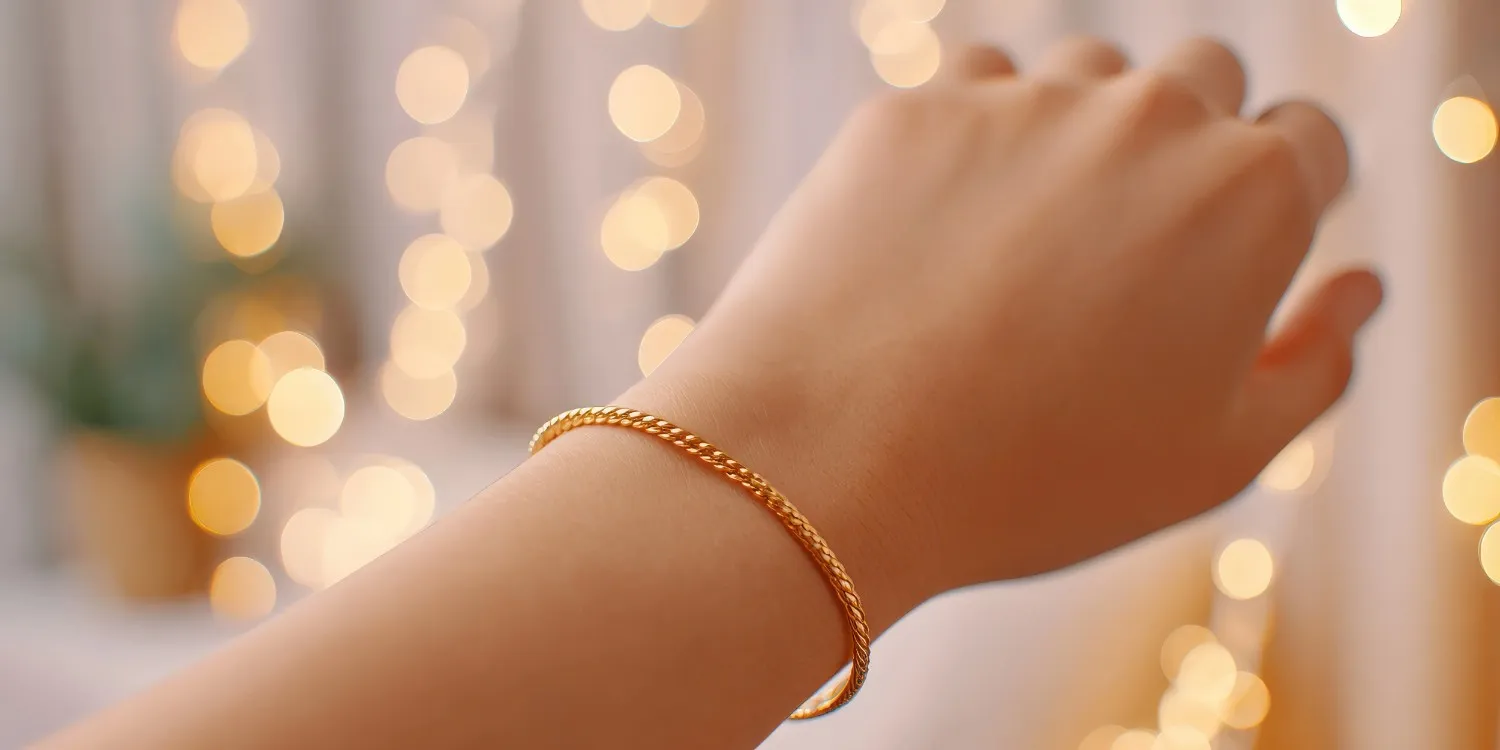
Permanent jewelry has quickly become one of the most requested little luxuries at studios across Oregon, and the appeal is easy to understand. A fine gold or silver chain, fitted to your wrist or ankle and closed with no clasp, gives you something you never have to take off or worry about losing.
At Pure Beauty Aesthetics in Albany, OR, first-timers usually walk in with the same handful of questions: how does it stay on, does it hurt, and what happens if I want it off someday? Here is everything you need to know before you book.
What is permanent jewelry, and how does it stay on without a clasp?
Permanent jewelry is a fine chain that a specialist welds closed on your wrist, ankle, neck, or finger, so there is no clasp to fasten or lose. It stays on continuously until you or a specialist cuts the small welded link to remove it.
What Is Permanent Jewelry?
Permanent jewelry is a delicate chain worn without a clasp. Instead of a fastening that opens and closes, a tiny link is welded shut, so the piece stays on until you or a specialist removes it. That is the whole idea behind the name, and it is what makes it different from the bracelets and necklaces already in your drawer.
You will see it offered as a permanent bracelet, a permanent anklet, a permanent necklace, or a ring, sometimes called infinity jewelry because there is no visible opening. Each piece is measured and fitted to you in person, so it sits close to the body and stays comfortable enough to wear continuously, including in the shower and while you sleep. Most people choose it to mark a connection, celebrate a milestone, or simply because a fine chain that needs no fussing suits their style.
How Does The Welding Process Work?
The welding step is quick, low-heat, and nothing like what the word might suggest. Your specialist measures the permanent jewelry chain against your skin, trims it to a custom fit, and joins the two ends with a small jump ring. A brief pulse from a welding tool fuses that single link closed, with a small metal or leather shield placed between the chain and your skin the entire time.
The weld itself lasts only a second or two. Most people feel only a bit of warmth, and there is no needle or piercing involved. The full appointment is short, and you leave wearing the finished piece right away.
Choosing Your Metal And Style
Your main decision is the metal, and the two most popular options are 14K solid gold and sterling silver. Solid gold holds up best to daily wear and water, and it tends to be a good fit for reactive skin. Sterling silver is a lower-commitment option with a bright finish, though it may need occasional polishing to keep from tarnishing.
From there, the details are yours to shape. Chain styles range from barely-there, delicate links to slightly bolder ones, and the same process applies to bracelets, anklets, necklaces, and rings.
Many clients add permanent jewelry charms or a small gemstone to make a piece feel more personal. As you choose, think about placement, how it pairs with jewelry you already wear, and what you want the piece to represent.
What To Know Before Your Appointment
A little preparation makes the fitting go smoothly. Arrive with the area clean and lotion-free so your specialist can measure an accurate fit, and the chain sits well against your skin.
A few things worth keeping in mind:
- If you have metal sensitivities, mention them. Solid gold and quality sterling silver tend to be gentler on reactive skin.
- Welded jewelry is generally safe to leave on, but you may want to remove or shield it for an MRI, certain medical procedures, or occasionally airport security.
- Give some thought to placement. A wrist piece and an ankle piece handle daily movement differently, so pick the spot that fits your routine.
How Do You Care For It For An Everyday Wear?
Permanent jewelry care is refreshingly simple. These pieces are built for continuous wear, so showering, swimming, and sleeping in them are expected, though a quick rinse after exposure to chlorine or salt water helps the finish last longer. Gold generally needs little upkeep, while silver may want an occasional gentle polish.
Fine chains are still fine chains, so it helps to be mindful during activities that tug or catch, such as heavy lifting or rough play with a pet. If a piece ever snaps, it is usually a quick fix rather than the end of it, since most studios can reweld a broken link so it goes right back on.
If you want a realistic sense of how a chain wears over time, looking at permanent jewelry before and after photos can set expectations before your first appointment.
How To Take It Off When You Want To?
“Permanent” does not mean you are stuck with it. The chain is designed to come off easily whenever you decide you are ready. You can remove it at home with a small snip of the welded link, or stop by the studio and have it taken off for you.
Because there is no clasp, removal means cutting the chain rather than unfastening it, and many people save the piece to have it rewelded later. Knowing that removal is simple tends to take the pressure off the decision, which is exactly how a first-timer should feel as they walk in.
Want To Know More About Permanent Jewelry?
Permanent jewelry is a small, low-maintenance way to carry something meaningful with you every day, and the decision gets easier once you understand the process from start to finish. The team at Pure Beauty Aesthetics offers custom pieces in 14K solid gold and sterling silver, with charms and gemstones to make each one your own.
Ready to Get Your Permanent Jewelry? To see what suits you, schedule a consultation for permanent jewelry Albany, OR, and we will help you choose the metal, style, and placement that feels right before you book.